Embracing the Influence of the Lincoln Institute
Discover the Stories of Individuals Who Contributed to the Organisation.
First Generation
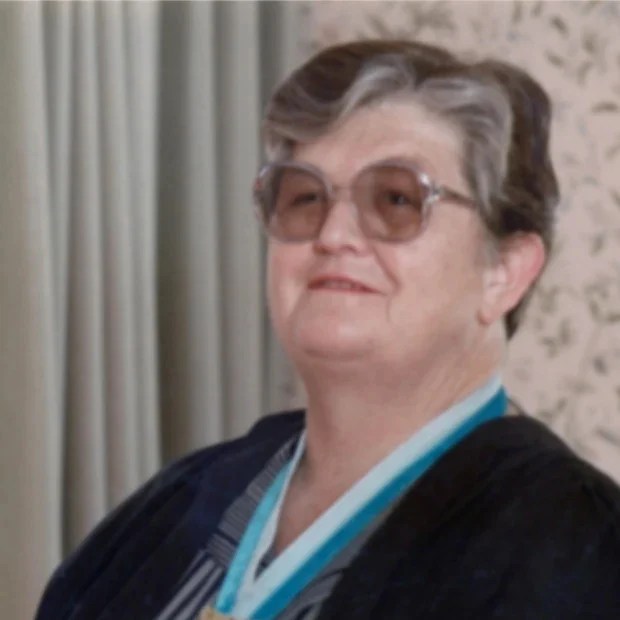
Patricia Cosh
Patricia Cosh transformed the landscape of physiotherapy in Victoria through her visionary leadership at the School of Physiotherapy. She played a pivotal role in fostering collaboration among various health professions, which led to the creation of the Lincoln Institute. Her advocacy for degree programs and postgraduate studies significantly advanced the field. As the Director of Studies, she not only influenced the local community but also made a lasting impact on a global scale, continuing her remarkable contributions until her retirement in 1986.
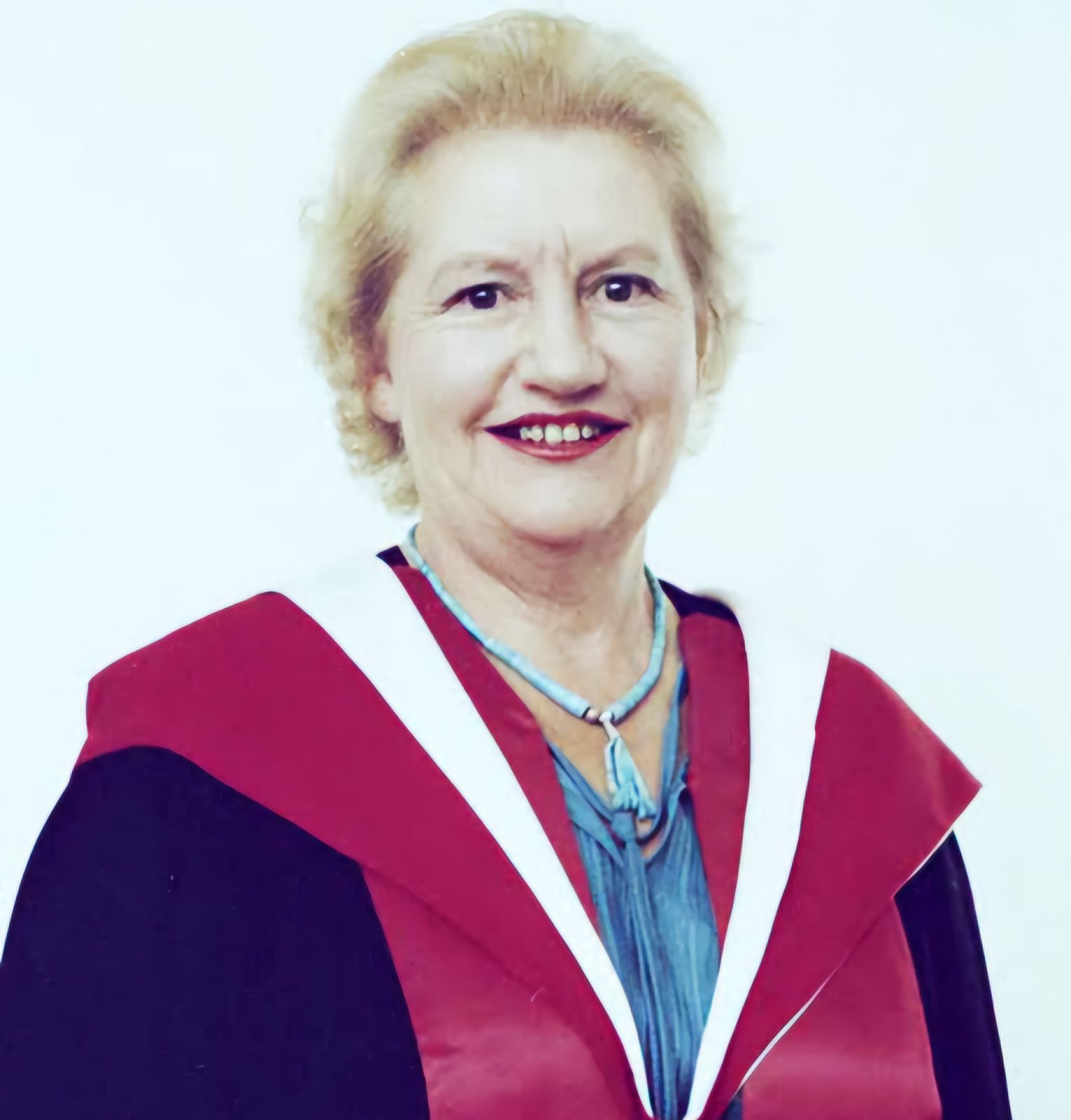
Patricia Violet Slater
Patricia Violet Slater was one of the first nurses to understand that the future of Nursing depended upon the profession’s ability to develop itself. To enable nurses to have this ability required change in the preparation of nursing students. Patricia Slater was at the centre of the 10 year struggle to bring this radical change about. The federal government agreed to make the change in 1984. The traditional apprenticeship style of training in hospitals was replaced with tertiary level education in the general system. Patricia spent 27 years of her long career in education. Her contribution to Nursing was recognised by the OBE award and, in 1984, the street where the College of Nursing Australia once stood, was renamed Slater Street in her honour.
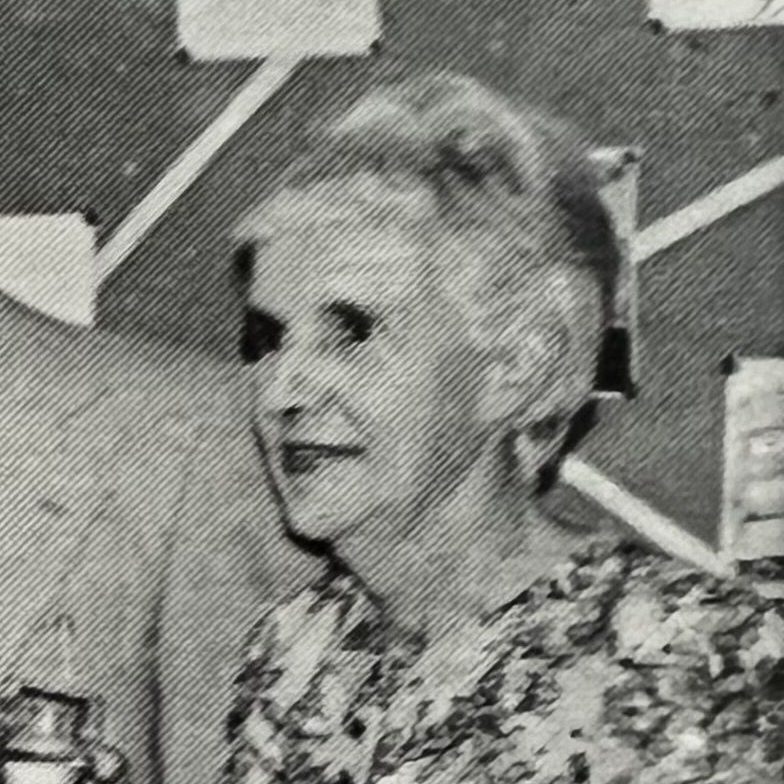
Dulcie Goode
Dulcie Goode, a pioneer leader in the field of occupational therapy, made history as the inaugural Director of The Occupational Therapy School of Victoria. After completing her training in Britain in 1958, she went on to represent the World Federation of Occupational Therapists at WHO assemblies held in Geneva and India, where she played a key role in driving curriculum reform within the profession.

Dr Margaret Nayler
Margaret Nayler, a physiotherapist, shaped the field through education, curriculum development, and leadership at the Lincoln Institute. She left a legacy in physiotherapy research and the Journal of Physiotherapy.
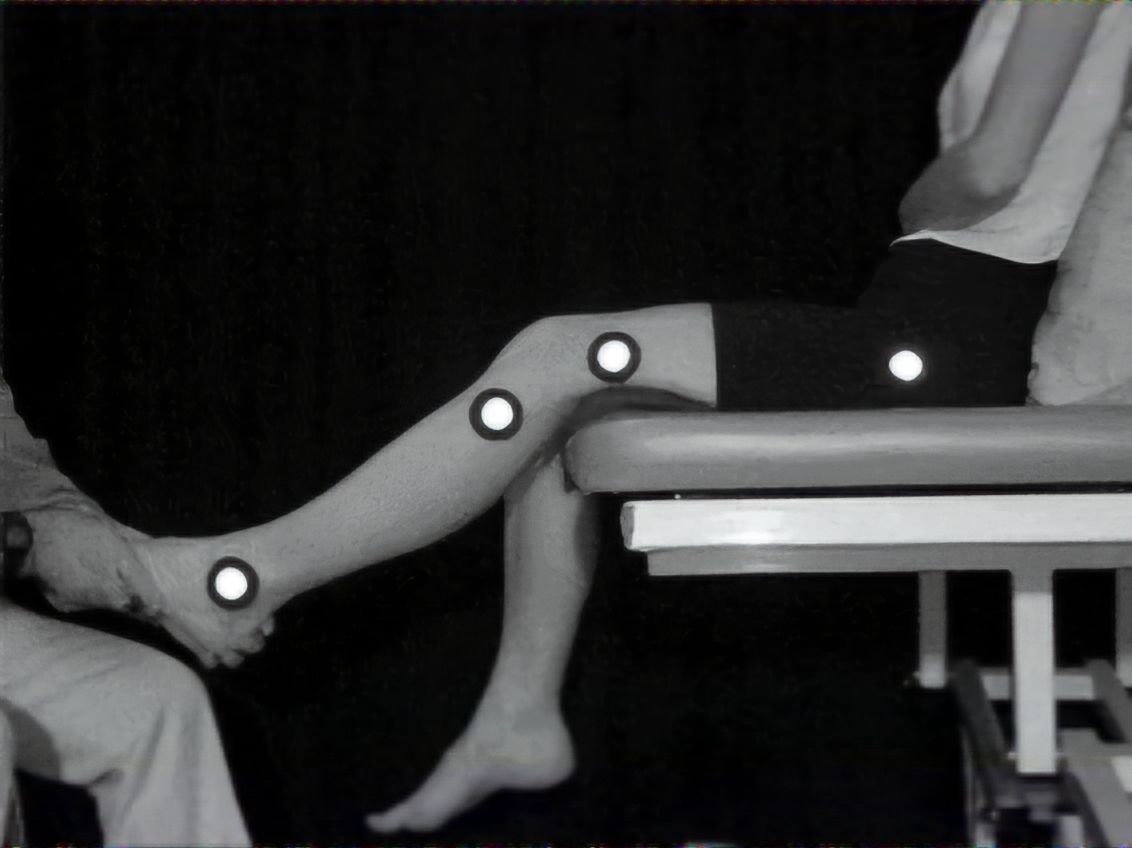
Dr. Barry Stillman
Dr. Barry Stillman FACP PhD, a pioneering physiotherapist and educator, shaped physiotherapy education through research on movement disorders and mentorship. His sensitivity to disabilities and nearly 50 years of dedication left a lasting legacy at Lincoln, La Trobe, and Melbourne universities.
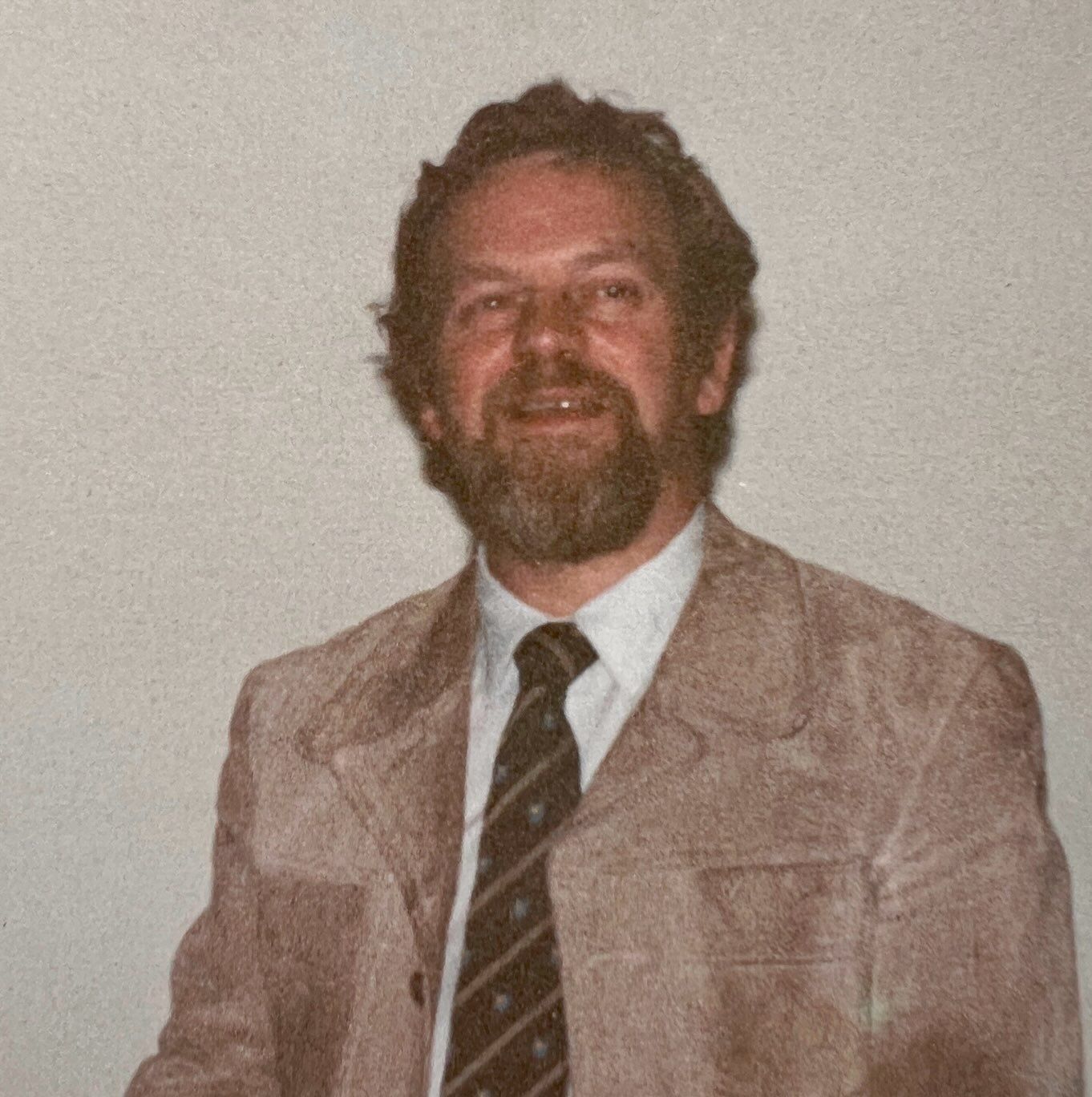
Chris Hyde
Chris Hyde, the first Head of Chiropody at Lincoln Institute, was key in changing podiatry in Victoria. He created a new four-year Bachelor’s degree program, going past the old diploma system. His push for updates like minor surgery training made sure the curriculum included the latest practices and innovations in the field.
Second Generation
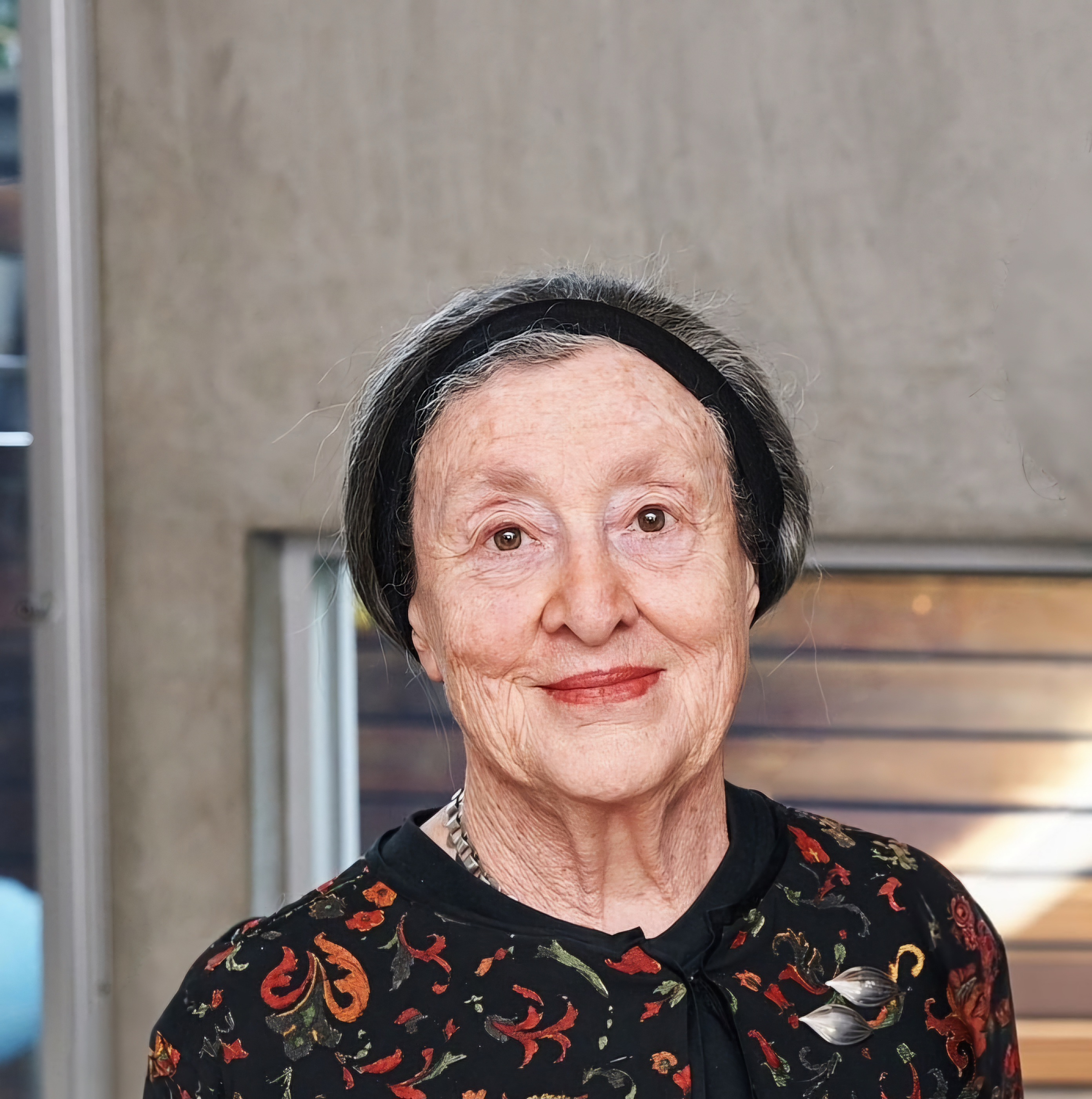
Dr. Loris Alexander-Rechter
Loris Alexander-Rechter worked in Occupational Therapy at the Lincoln Institute and later became a Clinical Psychologist.
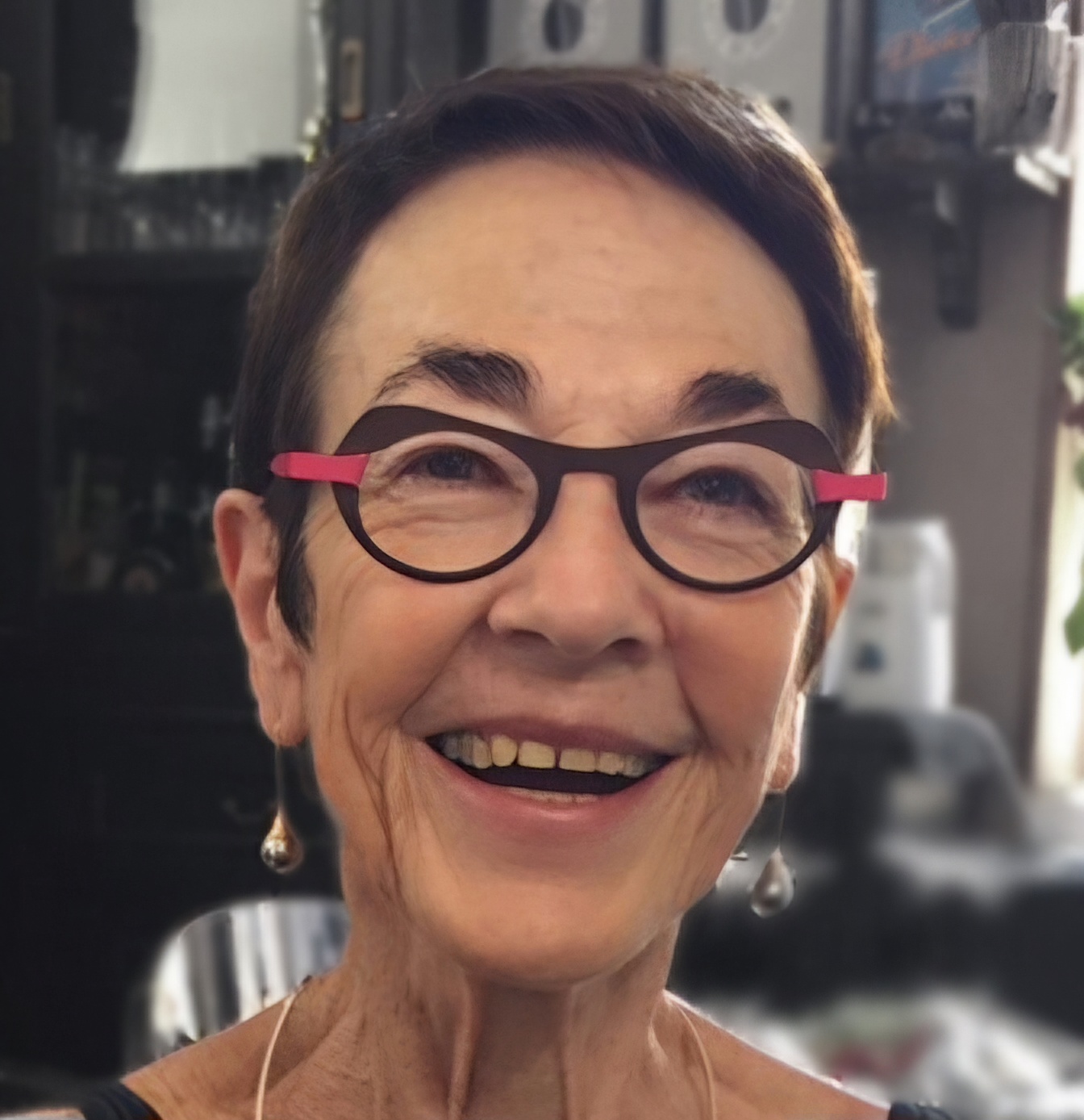
Professor Jenny Graham
Jenny Graham was involved in designing the first Occupational Therapy degree in NSW.
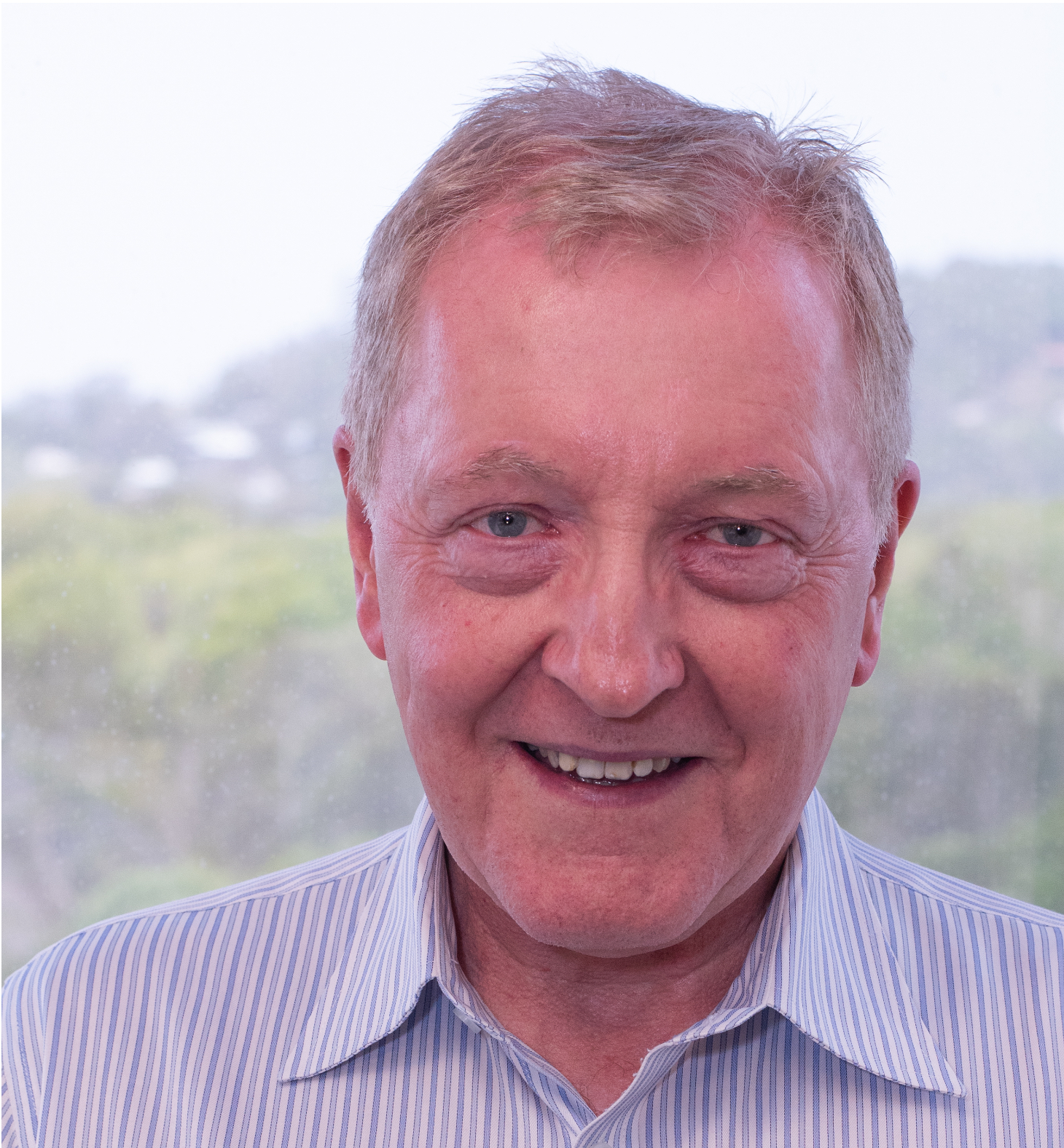
Professor Martin Hayden
Martin Hayden contributed to the Educational Development Unit.

Professor Joan McMeeken
Joan McMeeken AM, PhD, a pioneering physiotherapist, advanced research and global recognition and accreditation as the University of Melbourne’s first Professor of Physiotherapy.

Brigid McCoppin
Brigid McCoppin was a nurse, social scientist, and committed teacher who contributed to nursing education at Lincoln Institute. She co-wrote Tradition and Reality: Nursing and Politics in Australia and promoted health sociology, creating a lasting impact on fairness and innovation in healthcare.
Third Generation
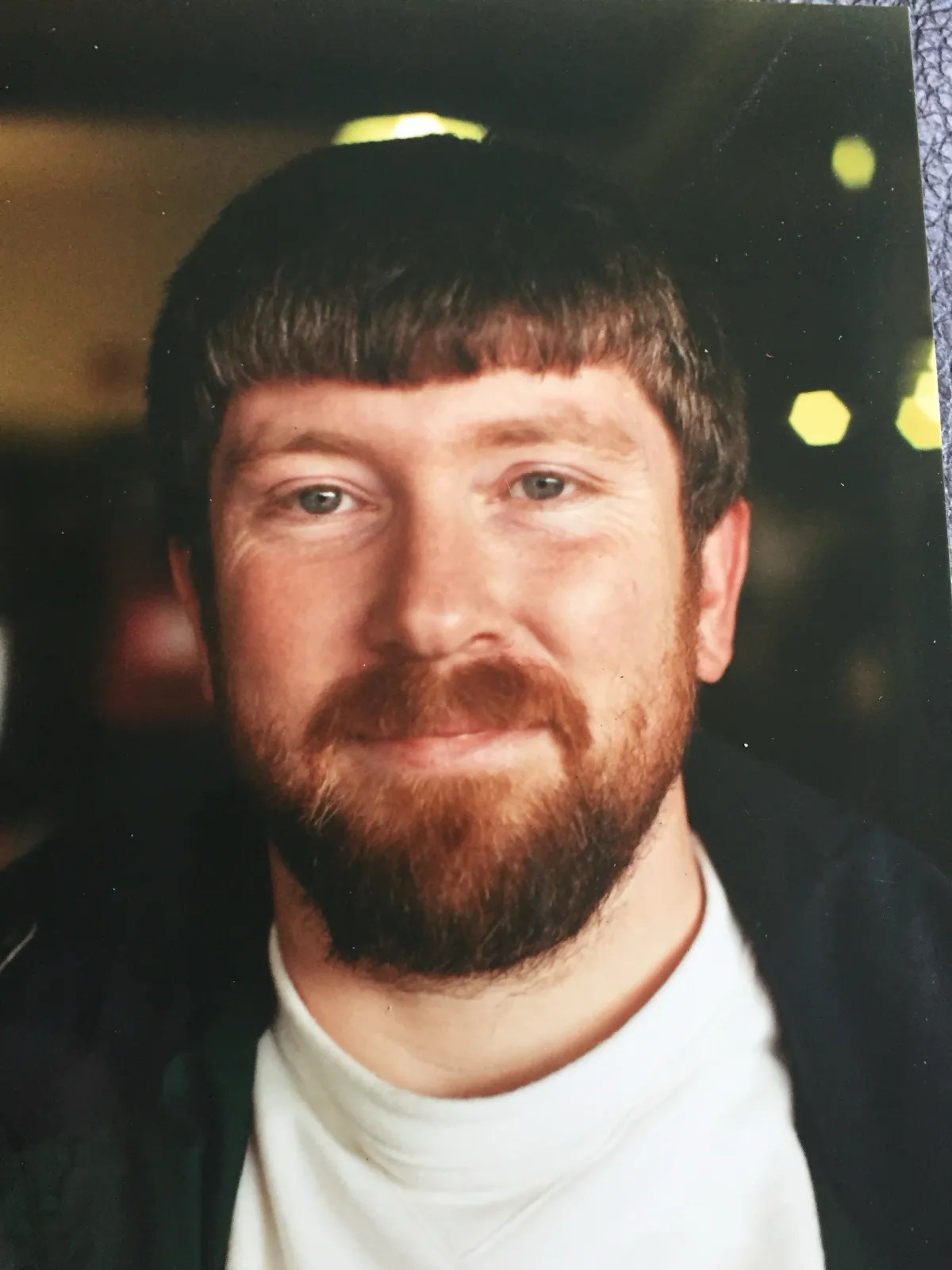
Professor Shane Thomas
He plays a crucial role in advancing health psychology on a global scale and co-wrote a leading textbook on research methodology, now in its 8th edition, which is extensively utilized for training health science students.
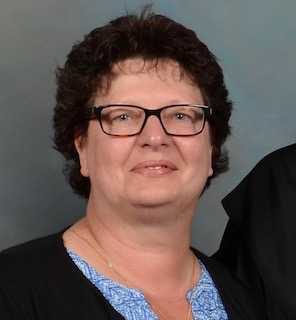
Elizabeth (Liz) Watt
Elizabeth (Liz) Watt joined Lincoln Institute’s School of Nursing in 1985 as Senior Tutor. She contributed to innovative nursing education, from its early days at Arthur St to its move to Abbotsford Convent, shaping Australia’s nursing curriculum.

Professor Colette Browning
In 1984, Colette Browning joined Lincoln Institute as a young lecturer, quickly becoming a key figure in developing multidisciplinary gerontology programs. Her pioneering research would go on to transform approaches to health and well-being.

Professor Victor Minichiello
Victor Minichiello’s groundbreaking work in Gerontology at Lincoln Institute in 1987 sparked the vision that led to founding UNE’s medical school.
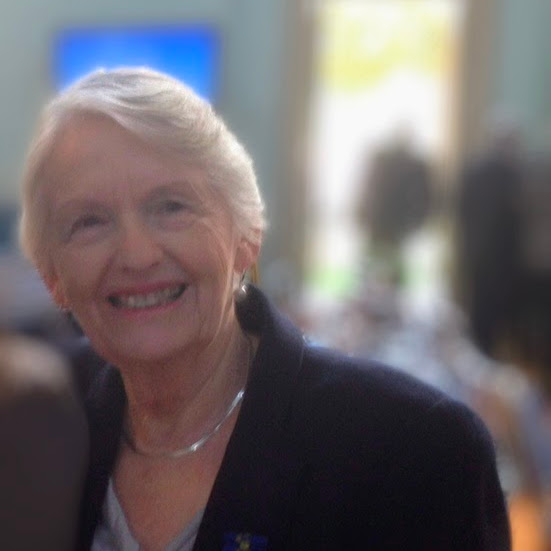
Heather Gardner, OAM
Heather Gardner’s career began as a medical lab technician in Oxford, later studying political science at La Trobe. She joined Lincoln Institute in 1983, advancing to Head of Public Health at La Trobe post-merger. A pioneer in health policy, she authored key texts, taught globally, and received an OAM for her public health contributions.
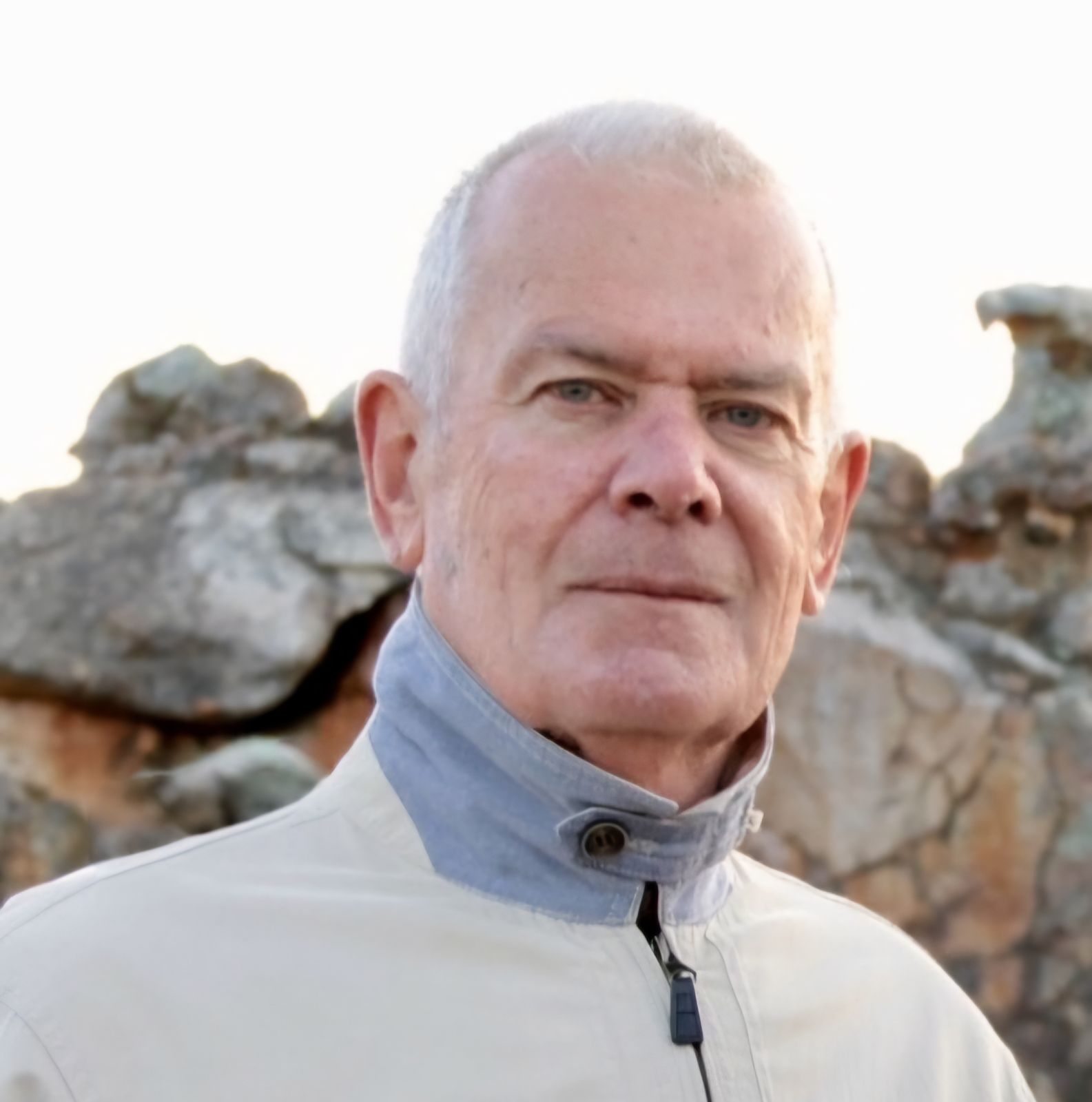
Eric Timewell
Eric Timewell, a clinical psychologist and psychotherapist, was pivotal in HIV/AIDS advocacy in Australia. An educator, author, and compassionate professional, his legacy includes groundbreaking books and invaluable contributions to clinical services.
 Lincoln Institute of Health Sciences